Peptide therapy at Maris Clinic Dubai is delivered as part of a physician-led aesthetic and regenerative medicine program, designed to improve skin quality, body composition, recovery, and overall physiological performance without invasive procedures.
Peptides are short-chain amino acids that act as powerful biological messengers, supporting essential functions such as tissue repair, metabolism, and hormone signaling to promote optimal health and overall body performance. As these biological signals naturally evolve with age, individuals may notice changes in energy, recovery, skin quality, and body composition, all of which can be improved and supported through targeted therapies.
4–6 sessions
8–12 weeks
Minimal discomfort
No downtime
5–10 minutes per injection
Daily or cyclical administration
Peptide therapy is a medical treatment that uses short-chain amino acids to restore and regulate the body’s natural biological signaling processes. Peptides belong to the same class of molecules as insulin — one of the most widely used therapeutic peptides in medicine since the 1920s — demonstrating their long-established and trusted role in clinical practice.
7,000 peptides have been identified to date, each with specific biological targets within the body. These signaling molecules interact with cellular receptors to regulate key physiological functions related to repair, metabolism, and overall system balance.
Unlike treatments that replace hormones directly, peptide therapy works by supporting the body’s own regulatory mechanisms, allowing for a more controlled and adaptive therapeutic response. Compared to anabolic steroids, peptides act through receptor-specific signaling pathways without suppressing natural endocrine function.
Peptide therapy is suitable for individuals seeking non-surgical improvement in both aesthetic appearance and internal health performance. You may benefit if you experience:
Treatment suitability is based on your clinical profile, medical history, and diagnostic markers, rather than age alone. Most patients begin between 30–55, though protocols vary significantly by individual.
Peptide therapy is used to address a range of aesthetic and physiological concerns that arise as natural biological signaling declines. Patients commonly seek treatment for:
By targeting these underlying issues at a cellular level, peptide therapy supports both internal function and external appearance.
Following your consultation, your physician may recommend a targeted or combination peptide protocol based on your goals and biological markers. Each peptide has a distinct function, and when used together, they can produce synergistic effects across multiple systems.
BPC-157 (Body Protection Compound-157) — Tissue Repair and Recovery: Supports healing of muscles, tendons, ligaments, and the gastrointestinal tract. Commonly used for injury recovery and inflammation management.
CJC-1295 + Ipamorelin — Growth Hormone Optimization: Stimulates natural growth hormone release in a controlled and physiological manner. Research indicates growth hormone–releasing peptides can increase natural hormone levels multiple-fold above baseline, supporting recovery, metabolism, and sleep.
GLP-1 Peptides — Metabolic Regulation: Improve appetite control, insulin sensitivity, and energy utilization. Clinical studies show GLP-1–based therapies can support average weight reduction of 10–15 over sustained treatment periods.
AOD-9604 — Targeted Fat Reduction: Derived from growth hormone pathways, this peptide supports fat breakdown without affecting blood sugar or overall hormone balance.
GHK-Cu — Skin and Hair Regeneration: Stimulates collagen and elastin production. Studies have shown improvements in skin remodeling and elasticity, contributing to visible anti-aging effects.
Thymosin Alpha-1 — Immune Support: Supports immune system regulation and helps manage inflammation and infection response.
TB-500 — Systemic Recovery: Enhances cellular repair and flexibility across the body, making it effective for widespread or recurring injuries.
Collagen-Stimulating Peptides — Skin Anti-Aging: Activate fibroblast activity to produce new collagen and elastin. Progressive improvement in skin density, hydration, firmness, and texture. Best suited to longer-term anti-aging skin programs. Visible results over 4–8 weeks.
Sleep and Recovery Peptides — Overnight Regeneration: Deepen sleep architecture and amplify the natural growth hormone surge that occurs during deep sleep accelerating overnight tissue repair, metabolic reset, and cognitive restoration. One of the fastest-acting protocols available. Most patients notice improvement within 1–2 weeks.
Each protocol is individually prescribed, and not all peptides are suitable for every patient.
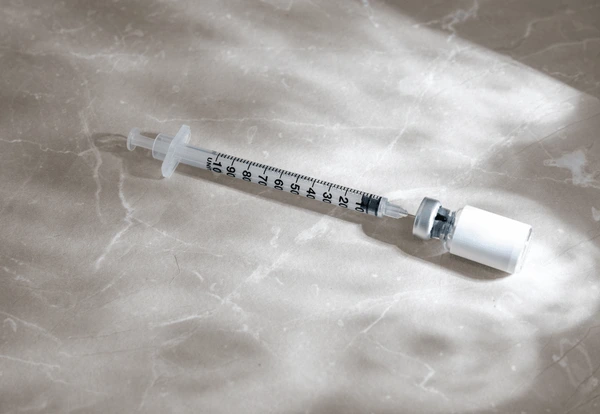
Peptide therapy is designed to deliver targeted biological signals in a controlled and consistent way. To ensure effective absorption, peptides are most commonly administered via subcutaneous injection, allowing them to enter the bloodstream directly without being broken down in the digestive system. This results in higher bioavailability and more predictable therapeutic effects compared to oral alternatives.
Depending on your prescribed protocol, peptides may be administered daily, on alternating days, or in structured cycles. This flexible dosing approach allows treatment to be precisely adjusted to your biology, goals, and response over time.
Peptide therapy is generally well tolerated when administered under medical supervision, as the compounds used are designed to mimic naturally occurring biological signals. Some patients may experience mild and temporary side effects, including:
These effects are typically short-lived and can be managed through dosage adjustments and proper hydration. All potential risks and contraindications are discussed during consultation to ensure safe and appropriate treatment.
Peptide therapy produces progressive, cumulative results across a treatment cycle.
Weeks 2–4 — Improved sleep depth, increased energy, mood stabilization
Weeks 4–6 — Better skin hydration and texture, reduced joint discomfort, faster post-exercise recovery
Weeks 6–8 — Measurable fat metabolism improvement, lean muscle tone increase, appetite regulation
Weeks 8–12 — Visible skin firming, body composition shifts, sustained cognitive clarity and energy
Results continue to develop beyond the initial cycle. Protocols are reviewed and adjusted at each follow-up appointment.
The cost of peptide therapy varies depending on several clinical and treatment-related factors. Because each protocol is personalized, pricing is determined after a detailed consultation and assessment.
Key factors that influence cost include:
Peptide therapy is not a one-time treatment. Most patients begin with an initial cycle, followed by maintenance phases or protocol adjustments based on their response and long-term goals.
At Maris Clinic, pricing reflects a medically supervised, pharmaceutical-grade treatment approach, rather than a standardized package. This ensures that you only receive what is clinically appropriate for your needs, with dosing and duration optimized for safe and effective results.
Peptide therapy is available across Dubai. The difference is in how it is prescribed, compounded, and monitored. At Maris Clinic, peptide therapy is a physician-led medical program not a wellness package or supplement protocol.
Each protocol is developed using an evidence-based, results-focused approach, drawing on clinical expertise to ensure precision, safety, and optimal patient outcomes. All treatments are delivered in accordance with Dubai Health Authority (DHA) regulations under licensed medical supervision.
Yes. Peptide therapy is a legal medical treatment in the UAE when prescribed by a licensed practitioner. At Maris Clinic, all protocols are physician-prescribed and compliant with Dubai Health Authority (DHA) regulations, ensuring safe and regulated treatment. Unprescribed or self-imported peptides fall outside this framework and are not recommended.
Yes. Peptide therapy is considered safe when prescribed and monitored by a qualified medical professional. The peptides used are designed to mimic naturally occurring biological signals, allowing the body to process them efficiently. At Maris Clinic, all treatments are based on clinical assessment, with ongoing monitoring to ensure safety, effectiveness, and proper dose adjustment.
Peptide therapy works by stimulating the body’s natural hormone production and repair processes rather than introducing external hormones directly. This approach supports physiological balance, reduces the risk of suppression of natural hormone function, and minimizes dependency or long-term side effects compared to anabolic steroids or direct hormone replacement.
Peptide therapy is a medically prescribed treatment using pharmaceutical-grade compounds that act directly on specific cellular receptors. Unlike supplements, which provide general nutritional support, peptides deliver targeted biological signals to regulate functions such as metabolism, tissue repair, and hormone activity, resulting in more precise and measurable outcomes.
Peptide therapy is most commonly administered via subcutaneous injection, allowing direct absorption into the bloodstream for optimal effectiveness. Depending on the prescribed protocol, injections may be taken daily, on alternate days, or in structured cycles. Patients are guided on proper administration techniques and can safely self-administer at home when appropriate.
Peptide therapy may not be suitable for individuals with certain medical conditions, including active cancer, uncontrolled chronic illnesses, or known hypersensitivity to specific compounds. It is also not recommended during pregnancy or breastfeeding. A full medical evaluation is required to confirm suitability before starting treatment.
Yes. Specific peptides, including GLP-1–based therapies and AOD-9604, are designed to support fat metabolism, appetite regulation, and insulin sensitivity. These treatments are particularly effective for individuals experiencing weight loss resistance and are most beneficial when combined with appropriate lifestyle support.
Yes. Combination protocols are often recommended to target multiple biological pathways simultaneously. Your physician will determine the most effective and safe combination based on your goals, health status, and treatment response.
Yes. Peptide therapy requires no downtime, and most patients continue their normal daily activities without interruption. The treatment is designed to integrate seamlessly into your routine.
Yes. A baseline blood panel and clinical assessment are typically required before starting treatment. This ensures accurate diagnosis, safe prescribing, and the development of a personalized protocol based on your biological markers.
Ready to begin your beauty journey? Contact us to schedule a personalized consultation with our expert team.
+971 50 531 0298
327 Al Wasl Road, Jumeirah 1, Dubai, UAE
Mon – Sun: 9:00 AM – 9:00 PM